

5 Screen Time Alternatives for Kids
theCityMoms use affiliate links to support our staff and work through commissions, but our opinions are our own. We only share items we use and love.
In our digitally driven world, screens are everywhere. They're a part of our daily lives, and it's only natural that our little ones are drawn to them. And hey, we admit, screens can offer some pretty cool learning opportunities and entertainment for our kiddos (and a break or two for us mamas!)
But here's the catch: Everything in moderation. Finding that sweet spot where screen time is balanced with other activities is key. It's about creating a healthy relationship with screens, while also giving fun and engaging alternatives.
The American Academy of Pediatrics only recommends about an hour a day of screen time.
So Here Are 5 Screen Time Alternatives for Kids You and Your Family Can Do to Fill All That Extra Time:
1. Game On!
Let's swap those video games for some good ol' board games. From epic card games for the little ones to strategy games for the older kids, a game night in the living room isn't just a great way to have a blast; it's also a chance for the whole squad to flex their mental muscles and bond big time.
Some of our personal favorites include: Uno Dare!, Twister Jr., and What Do You Meme? Family Edition!
2. Let's Get Physical!
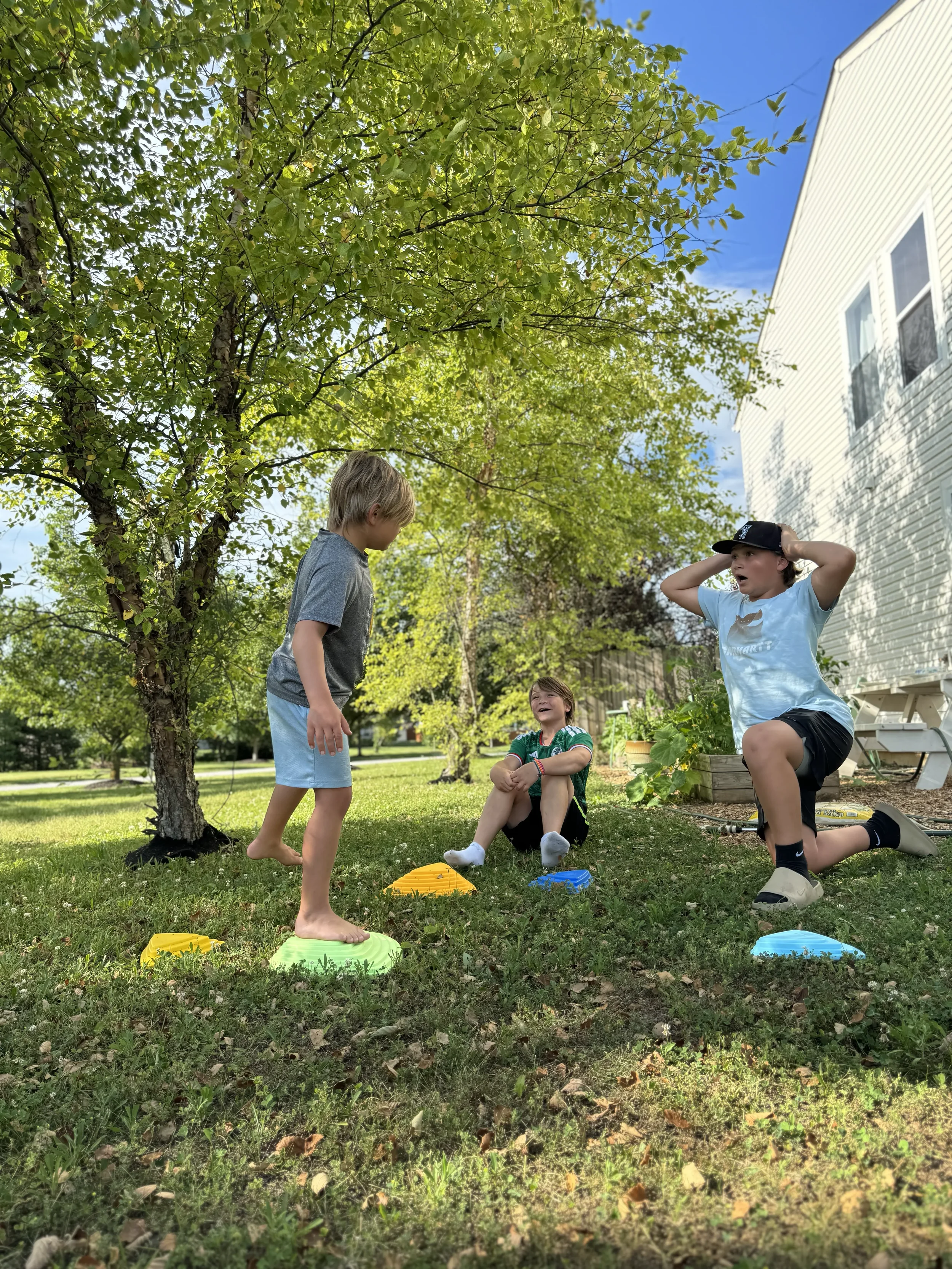
One of the easiest screen time alternatives for kids is simply getting them moving. Active, open-ended play encourages creativity, builds confidence, and helps burn off all that extra energy—whether you're playing indoors on a rainy afternoon or outside on a sunny summer day.
The Fisher-Price Your Way Collection is designed to grow alongside your child, giving them the freedom to play their own way through every stage.
For younger kids, the Soft & Safe Basketball Pop-Up Tent and Build Your Way Jumbo Foam Blocks create a soft, approachable space to crawl, stack, build, toss, and explore while developing coordination and confidence.
As they get older, the Create Your Way Fort Builder (coming soon!) sparks endless imaginative play, letting kids design everything from clubhouses and castles to cozy reading nooks. And when they're ready for a bigger challenge, the Play Your Way Stepping Stones and the Move Your Way Balance Beam transform any room or backyard into an active obstacle course that helps strengthen balance, coordination, and those exciting "I did it!" moments.
Instead of reaching for another show or tablet, these kinds of movement-based activities invite kids to create, problem-solve, and stay engaged — all while having so much fun they won't even miss the screen.

READ THIS NEXT:
3. Time to Get Creative
One way to pull the kids off those screens is to create opportunities for them to create!
We're talking about activities like building epic blanket forts, getting their hands dirty with arts and crafts projects, or even embarking on their very own mini cooking show in the kitchen.
Building Lego cities, painting their own masterpieces, or building space robots out of Play-Doh gives kids the opportunity to let their imaginations run wild.
4. Bookworm Vibes
Grab the kids and head to your local library for some new books! Then create a comfortable reading space for the family and let them dive into the worlds between the pages. Not only are books a great screen time alternative, family-focused reading time also helps to promote literacy and comprehension–an added bonus!
Quality reading time fosters a love of stories, ignites the imagination and encourages self-directed play!

HAVE A PICKY EATER AT HOME? HONESTLY… SAME
5. Nature Adventures
There is so much to do in the Great Outdoors—try an outdoor scavenger hunt or take the kids on a nature walk to collect cool leaves and flowers. Why not grab a cool book about birds or bugs and let the kids explore? Visit a local park, nature center, or playground to run off some steam.
Gardening is also a fun, hands-on way to get the kids working with their hands. Plan a trip to your local nursery and let the kids help plant a new flower garden in the backyard.
Did you know that a lot of local community centers and public libraries have seed gardens? You can “borrow” packs of seeds to begin your garden. At the end of the season, you gather some seeds to return to the library for the next year! To find a seed library near you, check out this map.