
Real talk: this post is sponsored by Jamboree Fundraising. It’s part of a partnership we value, and one we think is worth your time. Keep reading.
Every sports mom will tell you: fundraising is a required part of youth sports, school activities, and community programs - but it doesn’t have to be messy, awkward, or feel like a full-time job.
In my experience as a soccer mom, head of our soccer parent committee, and wife to the head coach, I’ve learned a lot about what actually works (and what doesn’t) when it comes to fundraising. I’m sharing that intel here as you start planning your own team’s fundraising goals - because the last thing any of us wants is burned-out volunteers, fewer donors than expected, and a lot of hard work that doesn’t raise much money.
(One big tip right off the bat? The Jamboree Fundraising app makes it possible to run a fully digital fundraiser - no paper forms, no selling products, and no awkward asks - and immediately eliminates a lot of the usual stress. I've got more on this below!)
Below are the most common fundraising mistakes I’ve seen parents and teams make, plus a smarter way to approach each one. Let’s dig in...

The 10 Biggest Fundraising Mistakes Youth Sports Teams Make:
1. Setting an Unrealistic Fundraising Goal
One of the biggest mistakes I've seen teams make over the years is aiming too high without careful planning. While a lot of money sounds great, a realistic goal keeps everyone motivated and focused.
My recommendation: I’ve found it’s best to set a measurable goal based on the number of families involved, the average donation size, and the time you actually have. Smaller, achievable goals keep everyone motivated - and often lead to a more successful campaign overall.
2. Asking Everyone for Everything
Blanket asks without a specific need can leave potential donors unsure how their support actually helps.
My recommendation: When we focused on one clear, specific need instead of a vague ask, donors responded much more positively. People want to know exactly what they’re supporting - whether that’s uniforms, tournament fees, or equipment.
3. Overcomplicating the Donation Process
Long donation forms, limited payment processors, or tech issues like network issues, ad blockers, or incompatible browser settings can stop a donation before it even starts. And don't get me started on paper forms that make things hard to track for everyone.
My recommendation: I always look for the simplest possible donation experience. Use a clean, mobile-friendly donation page that accepts credit cards and makes giving easy. If it takes more than a minute or two to give - or doesn’t work easily on a phone - people are much more likely to abandon the process.
A Digital Fundraising Option That Helps Avoid Common Fundraising Mistakes: JAMBOREE FUNDRAISING
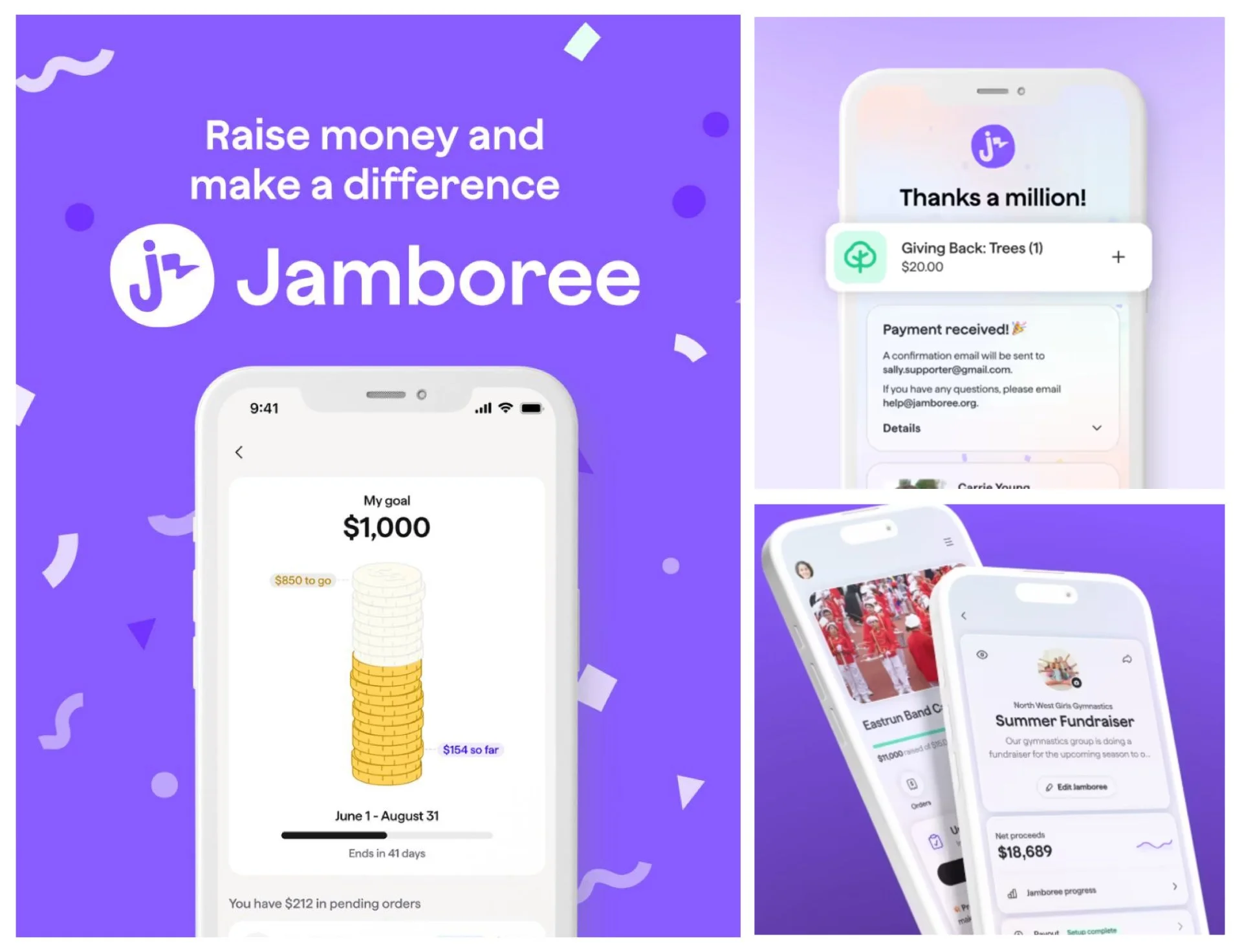
Many fundraising mistakes come down to outdated processes — paper forms, product sales, and clunky pages. Jamboree is a fully digital fundraising platform for youth sports teams and schools that removes those friction points by letting families share a team page via text or social media.
Supporters buy online, teams keep 70% of every purchase, and each $20 plants a real tree.
With no inventory, no cash handling, and no in-person selling, Jamboree simplifies fundraising and helps teams focus on participation - not logistics. Learn more here.
More Fundraising Mistakes Youth Sports Teams Make:
4. Relying Only on Traditional Fundraising Events
Bake sales, car washes, and selling gift cards can work - but they require a lot of coordination and volunteer hours.
My recommendation: While in-person events can be fun, I’ve learned not to rely on them alone. Digital fundraising gives families flexibility and allows a wide net of people to support the team even if they can’t attend an event or buy something specific.
5. Forgetting About Donor Relationships
Many fundraising efforts focus on one-time donations and move on.
My recommendation: Treat donors like part of the team. I always make it a point to follow up with donors - even with a quick thank-you or update. A little appreciation goes a long way in turning one-time supporters into repeat donors.
6. Leaving the Work to One Parent or Board Member
A lot of founders - especially first-time founders or nonprofit leaders - underestimate how much work fundraising requires.
My recommendation: Create a fundraising strategy that distributes the work. Fundraising works best when everyone participates, even in small ways. When each family shares the campaign with their own circle, the workload feels lighter - and the reach grows quickly.

TIRED OF PLANNING DINNER NIGHT AFTER NIGHT?
Here are the Best Meal Delivery Services for Families
More Fundraising Mistakes Youth Sports Teams Make:
7. Not Using Social Media Strategically
Posting once and hoping for the best isn’t effective fundraising.
My recommendation: Share personal stories, progress updates, and reminders across social media. I’ve seen the best results when we share regular updates on social media - not just one post at the beginning. Progress updates and personal stories keep the fundraiser visible without constant reminders. And keep in mind buyers often need to see prompts 6-13x before making a purchase decision!
8. Ignoring New Donors
New donors are often overlooked once the campaign wraps.
My recommendation: Welcome new supporters with a thank-you message or update about upcoming events. I treat new donors like part of the team. A quick message thanking them and sharing how their donation helped makes a big impression and sets the stage for future support.
9. Skipping Contingency Plans
What happens if fewer people give than expected? Or if tech issues pop up mid-campaign?
My recommendation: Have backup plans - alternate timelines, matching gift opportunities, or reminder pushes during high-giving days of the year, like year-end fundraising periods. I always assume things won’t go exactly as planned - and that’s okay. Having a few backup ideas, like extending the timeline or adding reminders during high-traffic days, helps reduce stress if the campaign starts slowly.
10. Choosing the Hard Way When There’s a Better Way
The last thing busy parents need is a fundraising process that feels outdated or inefficient.
My recommendation: After years of doing this, I gravitate toward fundraising options that respect parents’ (and donors!) time. Digital platforms like the Jamboree Fundraising app help teams raise money without selling products or handling cash. Families simply share their team’s page, and the platform handles the entire process behind the scenes. Each $20 purchase plants a real tree — a feel-good bonus supporters love. It’s a great idea for teams looking for an effective fundraiser that respects parents’ time and delivers real results!